
Introduction: A Staple Redefined for Global Palates
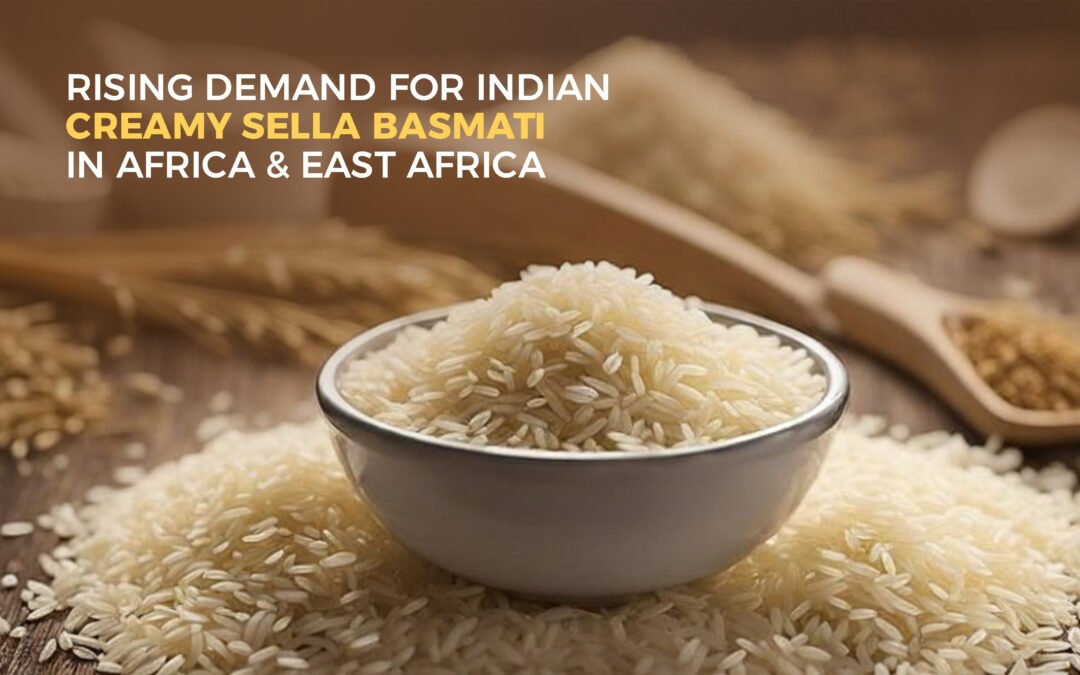
In an era where food security intersects with cultural preferences and health awareness, Creamy Sella Basmati Rice stands out as a versatile, nutrient-packed option from India’s fertile plains. As a parboiled variant of the iconic basmati grain, it undergoes a unique steaming process that locks in vitamins, minerals, and its signature elongated shape, resulting in fluffy, non-sticky grains post-cooking. Exporters like Nutrich Foods, based in India, are capitalizing on this by supplying high-quality Creamy Sella in 25kg and 50kg PP bags to global markets, emphasizing exceptional aroma, flavor, and purity sourced from premium fields. With focus regions including East Africa (Kenya, Tanzania), West Africa (Nigeria, Ghana), the broader African continent, Dubai (UAE), Sri Lanka, Fiji, and Saudi Arabia, the demand for this rice is skyrocketing. India’s rice exports hit $12.95 billion in FY 2024-2025, with basmati variants like Creamy Sella driving growth amid projections of 24 million metric tons (MT) in total rice exports for 2025-26. This article examines the factors fueling this surge, from nutritional superiority to economic dynamics, and why Indian suppliers are poised to dominate.
Africa and the Middle East represent lucrative hubs for basmati rice, with the Middle East alone consuming nearly 9.1 million tons annually, accounting for 37.8% of global intake. Parboiled types like Creamy Sella are particularly favored for their resilience in hot climates and alignment with local cuisines, such as pilafs in Saudi Arabia or jollof rice in West Africa. As populations grow—Africa’s at 2.5% yearly and the Middle East’s urban centers expanding—the need for reliable, affordable staples intensifies.
Market Dynamics: Africa’s Appetite for Premium Imports
Africa’s rice market is booming, with Eastern Africa’s segment projected to reach $1.67 billion in 2025, growing at 11.16% CAGR through 2030. West Africa, a powerhouse importer, sourced 485,735 MT of Indian parboiled rice in March 2025 alone, driven by urbanization and dietary shifts toward convenient, nutrient-dense foods. Countries like Nigeria and Ghana, where rice is a daily essential, prefer Creamy Sella for its extended shelf life and minimal breakage during transport—key for regions with infrastructural challenges. India’s dominance is evident: It exported 8-9 million MT of parboiled rice in 2025, valued at ₹18,000-20,000 crore, primarily to West Africa. East Africa follows suit, with Kenya and Tanzania importing basmati to supplement local production amid climate variability.
Beyond the continent, the Middle East’s demand is robust. Saudi Arabia imported $448.19 million worth of Indian rice in H1 2025, favoring premium basmati for its aromatic qualities in traditional dishes like kabsa. Dubai, as a re-export hub, channels Creamy Sella to neighboring markets, benefiting from India’s competitive pricing—averaging $1,114 per MT for basmati exports. Sri Lanka and Fiji, island nations with rice-centric diets, import parboiled variants to combat import dependencies; Fiji’s growing diaspora communities drive demand for authentic Indian flavors. Overall, the global basmati market is set to hit $23.1 billion by 2029, with parboiled segments leading at a 12.2% growth rate.
This demand isn’t fleeting. Global events, like supply disruptions from other exporters, have shifted buyers toward India. For instance, weak buying from Africa and the Middle East due to floods affected competitors, but India’s resilient supply chain—bolstered by states like Punjab and Haryana—filled the gap. Exporters report a 4.3% year-over-year increase in rice shipments, with basmati resilient despite duties on other types.
Nutritional Superiority: Health Benefits Driving Adoption
What sets Creamy Sella Basmati apart is its parboiling process, which enhances nutrient retention: higher levels of iron, calcium, B vitamins, and a lower glycemic index (GI) compared to white rice. This makes it ideal for health-conscious consumers in target markets. In Africa, where diabetes prevalence is rising (projected at 24 million cases by 2030), its low GI helps regulate blood sugar, causing a slower rise than regular basmati. It’s low in fat, cholesterol-free, and packed with complex carbs for sustained energy—perfect for labor-intensive communities in West Africa.
In the Middle East, where heart health is a priority amid affluent lifestyles, whole-grain aspects reduce cholesterol and blood pressure risks. Saudi and Dubai importers value its vitamin B6, D, and potassium for muscle growth and metabolism. For Sri Lanka and Fiji, facing malnutrition challenges, it addresses deficiencies in protein, iron, zinc, and vitamins A and C. Gluten-free, sodium-low, and sugar-free, it’s versatile for diverse diets, including halal preferences in Muslim-majority regions.
Culinary-wise, Creamy Sella’s non-sticky texture post-cooking suits biryanis, fried rice, and salads—retaining shape even after reheating. In East Africa, it blends seamlessly with ugali or stews, while Fiji’s Indo-Fijian communities use it for curries. Its conservation of nutrients during parboiling makes it healthier than polished rice, appealing to urban millennials.
India’s Export Edge: Quality, Sustainability, and Logistics
Indian exporters like Nutrich Foods leverage a vast production base—basmati at 5.7 million MT valued at $5.8 billion—to offer competitive edges. Certifications like halal and organic align with Saudi and Dubai standards, while traceability ensures purity. Ports like Mundra facilitate swift shipments: 10-15 days to Mombasa (East Africa) or Jeddah (Saudi), with costs 10-15% lower than rivals.
Partnerships amplify this. In West Africa, bulk procurements for Guinea and Senegal highlight expanding demand beyond traditional markets. Dubai’s re-exports, including 10 tons of specialty rice in June 2025, showcase innovation. Sri Lanka’s post-crisis recovery boosts imports, while Fiji’s niche market favors premium variants.
Sustainability is key: Rain-fed farming in India reduces water use, appealing to eco-aware buyers in Africa facing droughts.
Challenges and Solutions: Navigating Trade Hurdles
Tariffs and logistics pose challenges—export duties cut parboiled shipments by 20% in some segments. Currency fluctuations in Africa and Red Sea disruptions add costs. Solutions include hedging, digital tracking, and bilateral deals under India’s 21-country expansion plan. Stabilized prices in September 2025 signal recovery.
Future Outlook: A Billion-Dollar Horizon
By 2030, parboiled basmati demand could propel India’s exports to 30 million MT, with Africa and the Middle East claiming 40% share. Innovations like fortified variants will cater to health trends, while e-platforms streamline B2B ties.For suppliers like Nutrich Foods, this is opportunity incarnate—bridging India’s bounty to global needs.
Conclusion: Grains of Prosperity
Creamy Sella Basmati Rice is more than a commodity — it is a bridge of trust, nutrition, and shared prosperity between India’s fertile paddies and the dining tables of East Africa, West Africa, Dubai, Saudi Arabia, Sri Lanka, and Fiji. Every grain carries the legacy of centuries-old basmati cultivation, the precision of modern parboiling technology, and the commitment of exporters who ensure flawless quality from field to port.
As global demand for healthier, aromatic, and easy-to-cook rice continues its upward trajectory through 2030 and beyond, Indian suppliers like Nutrich Foods (https://nutrichfoods.com/) stand ready to meet it with unmatched reliability, competitive pricing, and customized packing solutions. Whether you are a large-scale importer in Lagos, a distributor in Dubai’s bustling Deira market, a supermarket chain in Nairobi, or a trader serving the Indo-Fijian community in Suva, partnering with a trusted Indian exporter means securing consistent supply, halal certification, and rice that turns every meal into a celebration.